Field guide 04 · Margin and stewardship
Building Responsible Adventure Days
An itinerary should preserve choices, not consume them. Organise around one region, a few realistic objectives and enough recovery to keep making good decisions.
Choose a base before a list of landmarks
Norwegian fjord travel takes time that a small-scale map can hide. Roads follow terrain, ferries operate to timetables and seasonal access can change. Avoid combining distant objectives simply because they appear close across water. Select a base that reduces repeated transfers, then verify transport using current operator information.
Stavanger can support a Lysefjord-focused visit; Odda provides access to parts of Hardanger; Aurland and Flåm suit a different cluster of fjord experiences. These are planning examples, not claims that every route is conveniently accessible without further travel. Check the actual trailhead, road opening, parking arrangements and last connection.
Keep at least one day interchangeable. The best weather window may arrive before or after your preferred date, and a tired group may need a different pace. Make cancellation terms and guide availability part of your planning rather than a reason to proceed when conditions deteriorate.
A four-day preparation-led framework
This sequence illustrates effort and recovery within one chosen region. It is not a booked programme, transport promise or recommendation to visit every named destination.
Day 01 · Arrive and assess
Make the local picture current
Settle into your base, check forecasts and speak with a local information service or guide. Take an easy walk to assess footwear, group energy and conditions. Confirm the next day's transport without committing to a marginal objective.
Day 02 · Primary land objective
Use the strongest suitable window
Choose a route already matched to the group. Leave time for the approach, breaks and a conservative return. Keep a lower alternative ready if cloud, wet rock or fatigue makes the original plan unsuitable.
Day 03 · Recovery or instruction
Let the demanding day settle
Use a village walk, museum visit or sheltered guided paddling session when conditions and recovery allow. Kayaking is not automatically a rest day: shoulders, concentration and cold exposure still require energy.
Day 04 · Flexible close
Protect the departure margin
Choose a short activity with a straightforward return, or use this day as the weather reserve. Avoid a remote objective immediately before an essential connection. Dry and inspect equipment before packing it away.
Make the alternative genuinely useful
A fallback should be a positive choice, not an exposed route described as slightly easier. Around Sognefjord, a lower cultural walk or a visit in Aurland may suit a day when high ground does not. Near Geiranger, local conditions may favour staying in the village rather than travelling to a windy viewpoint.
Assess alternatives independently. A low riverside path can flood; a scenic road can close; a boat trip can be cancelled. Check access notices and operator updates rather than assuming that lower altitude removes every hazard.
Build daily checks into breakfast and the trailhead pause. Revisit weather, energy, transport and the previous day's effects. A rigid sequence encourages people to hide discomfort; a flexible one makes honest reassessment normal.
Treat access as a responsibility
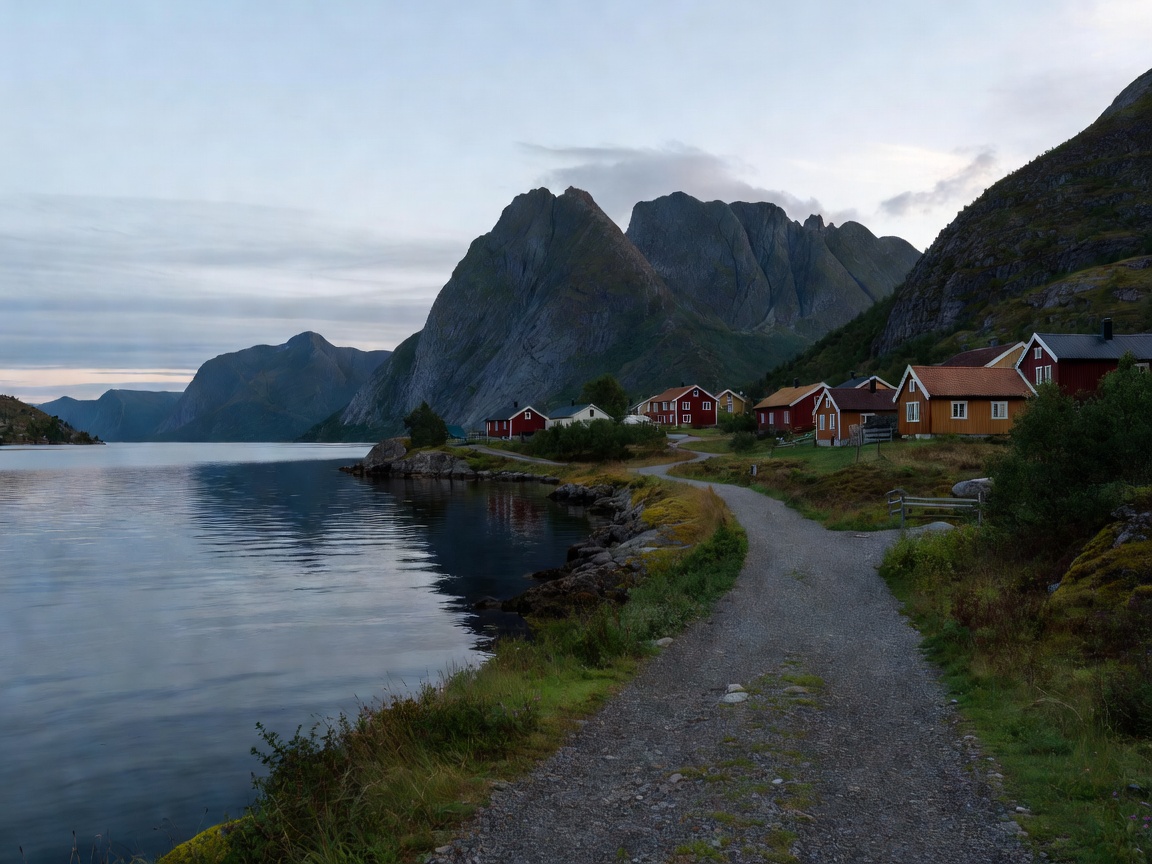
Norway's right to roam, allemannsretten, comes with duties and important limits. Respect cultivated land, private spaces, livestock, protected areas and local restrictions. Use established paths where appropriate and avoid widening muddy trails or cutting across fragile vegetation. Close gates as directed and keep dogs controlled in accordance with current rules.
For camping, distinguish uncultivated land from land where permission is needed. General rules include distance and duration limits, with exceptions and local restrictions; do not use a broad summary as permission at a specific site. Check official guidance and signage, especially in heavily visited or protected locations.
Pack out litter, including food scraps, and plan toilet arrangements before reaching a crowded or sensitive site. Follow local fire restrictions and current fire-danger advice. Never assume an existing fire ring makes a fire lawful or safe. Leave wildlife space and do not disclose sensitive nesting locations for attention.
Use local guides, accommodation and food services where practical, while recognising that spending money does not override access rules. Park only where permitted and keep emergency access clear. A responsible itinerary leaves the place workable for residents and the next visitor, not just photogenic for your own arrival.